National Trails mean something different to everyone who walks them. In this guest blog writer Paul Gamble reflects on living with AuDHD and how walking National Trails has helped him navigate burnout, embrace neurodivergence and find a deep sense of belonging.
How I unexpectedly fell into the River Unk while walking Offa's Dyke Path
Shropshire’s River Unk isn’t long or grand, but it’s still a river. To my surprise, I found myself standing in the River Unk, close to the start of its journey towards the mighty River Severn. I didn’t mean to end up in the River Unk, but a passing raven caught my eye as I stood on its bank and, one misstep later, I was propping myself up against a wooden bridge, noticing the long nail that stuck out dangerously close to my head. The long nail that could easily have ended my hopes of completing the Offa’s Dyke Path National Trail at around the halfway point.
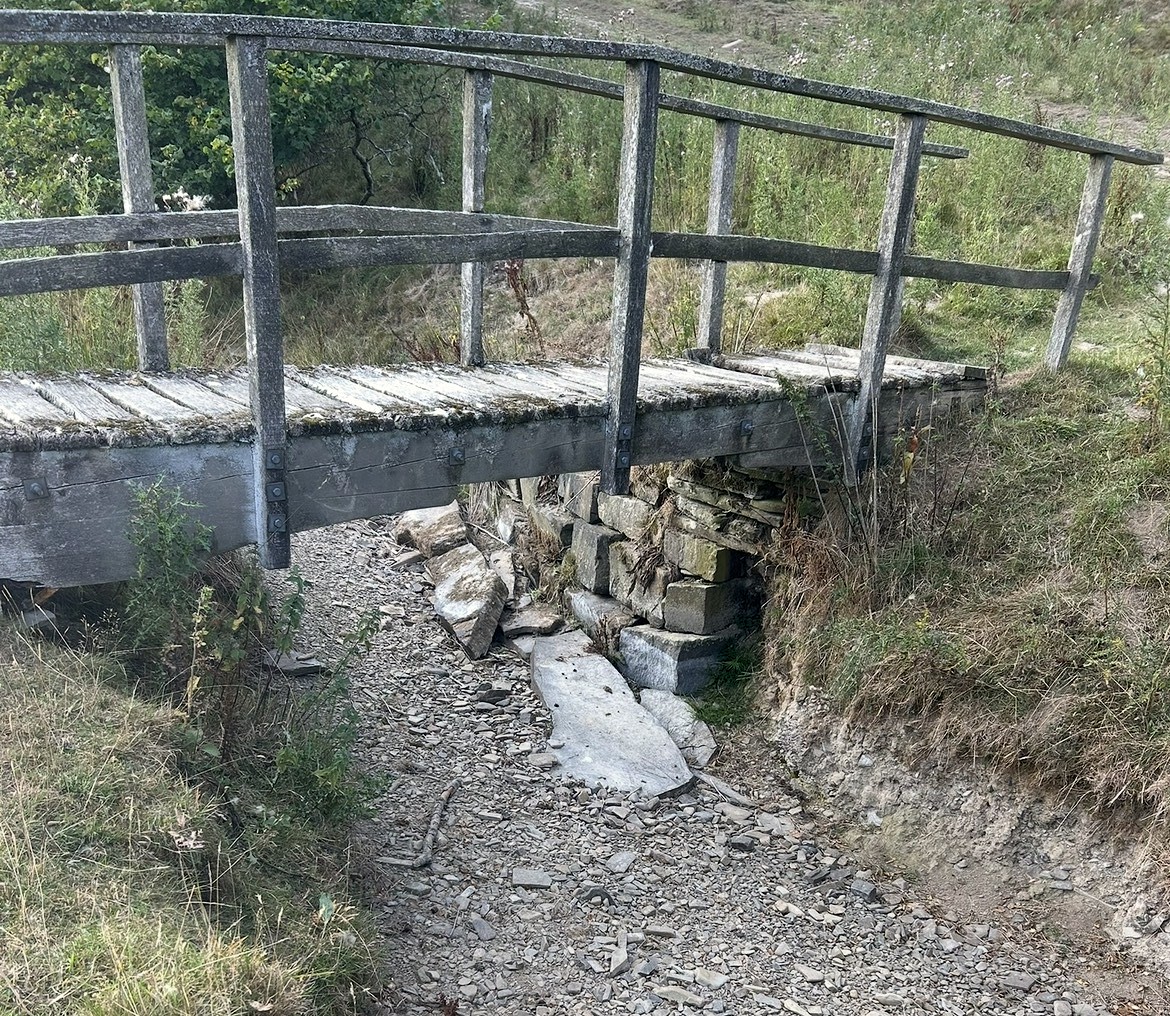
Mercifully, the drop from the bank was only a few feet. To my further relief, this stretch of the Unk was bone dry after weeks of no rain. I hadn’t injured myself (this time) and my feet weren’t soaked (this time). Nevertheless, I sheepishly looked up at my partner on the far bank. Her face revealed concern (not for the first time), followed by mild entertainment (not for the first time).
Welcome to my AuDHD world, in which I live with often competing elements of autism and ADHD. And that applies whether I’m at home writing these words or enjoying a long walk on one of our National Trails through Britain’s beautiful landscape.
Planning every mile: walking National Trails with AuDHD
I look back with a smile whenever I remember my tumble into the Unk. Unk has long been one of my favourite three-letter river names, a ‘special interest’ collection of which is stored in my autistic brain. I’d looked forward to seeing and crossing the river when planning the trip, imagining how the landscape would look and feel, what creatures and flowers we might see in its upland valley. Lots of sheep, many colourful butterflies, and a profusion of thistles, as it turned out.
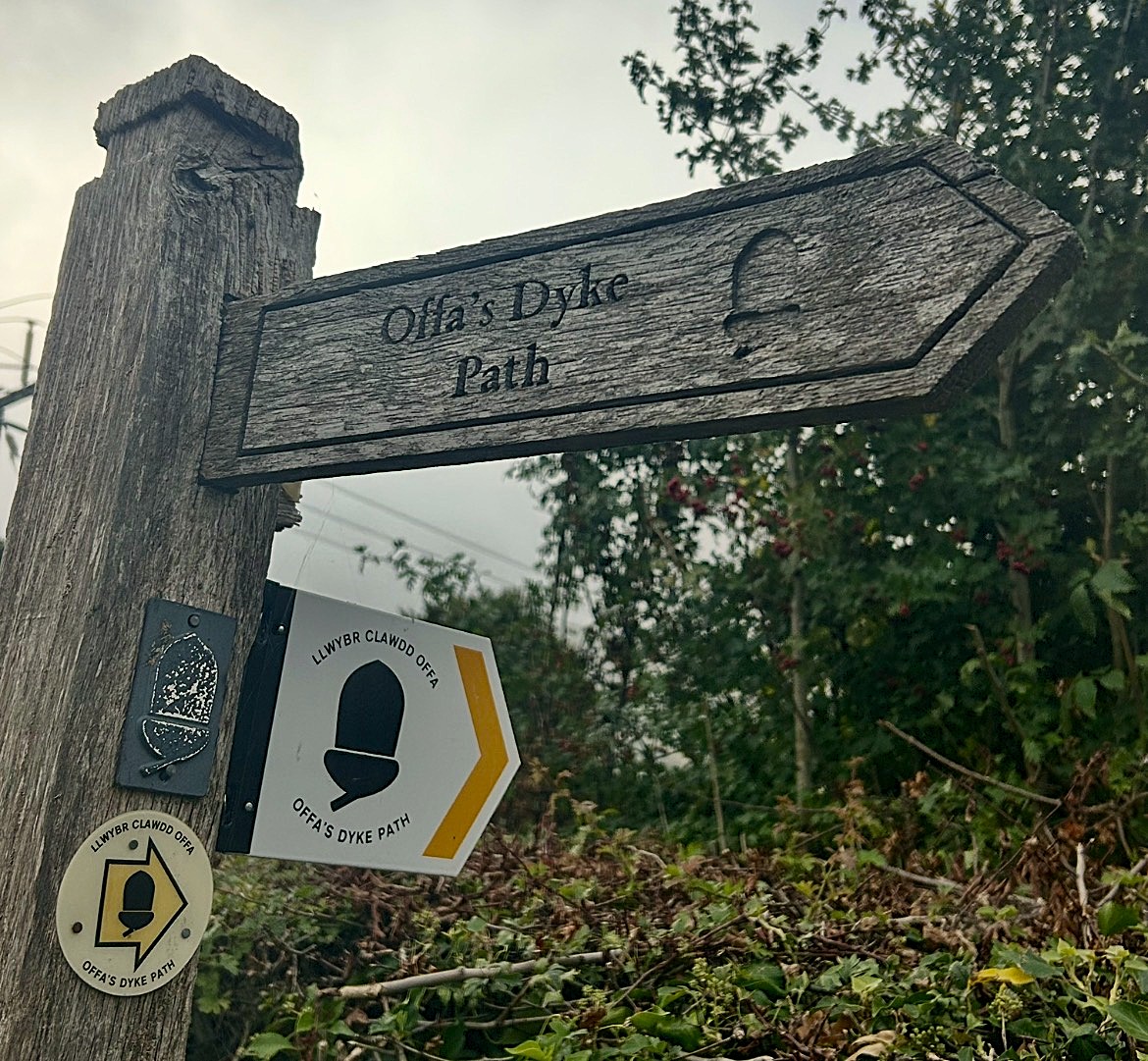
My planning for such trips is meticulous - I can’t get enough of maps and guidebooks, public transport timetables. I love to know what I’m walking through, past, into. The planning helps me to get past that feeling of intimidation I get at the sheer distance to be covered on a National Trail. Once on the walk, I become fixated on knowing how many miles have been covered, how many remain. With me, this fixation becomes excessive, dictated by the compulsive element in my autism. Certainty is something my autism demands, which explains why missing or poorly placed signposts throw me easily. It also makes the moment of completion thrilling - I could happily rattle off the end points of all the trails I’ve finished.
How I discovered the UK's National Trails
So, how did I fall in love with our National Trails?
Given that I’ve been based in Oxfordshire for over thirty years, you’d think that the three National Trails nearby might have played a part. Well, yes, I did go for day walks on sections of the Thames Path, Ridgeway and Cotswolds Way, but nowhere near as often as I wanted to. I never got round to considering multi-day walking of the National Trails on my doorstep, being too busy with work to take advantage of the trio of opportunities. It took stepping off the work treadmill and recognising the damage caused by a series of autistic burnouts to make me appreciate what was on offer.
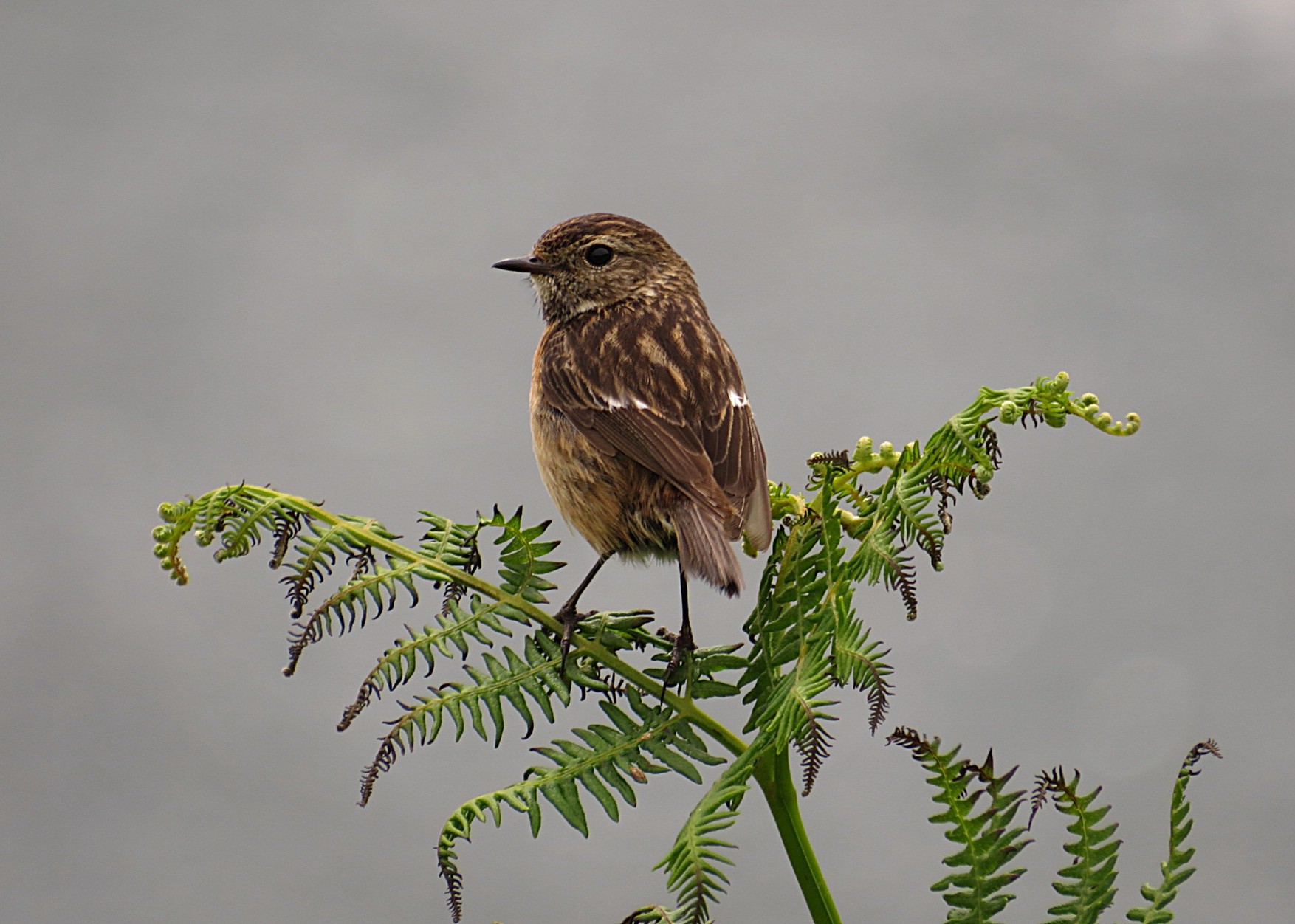
The only exception? Hadrian’s Wall Path - a crossing of northern England from Tyne to Solway. I did this with my daughter, when she was about to start her Archaeology degree. My academic interest in Roman history made this the ideal choice for a shared adventure. Treading every yard of the Wall helped me to understand better why the Romans built it. We loved the stonechats, wheatears and curlews too. We also realised that few parts of a National Trail are truly accessible to all-comers.
Walking my way through burnout
Fast forward through the worst of my burnouts and the decision taken in 2019 to quit my teaching career, and you’ll meet a changed me, one who saw that spending time in nature might help to smooth out the creases of my life. I wasn’t yet aware that my difficulties in coping could be explained through my neurodivergence, but I knew I needed to do something radically different. Walking National Trails soon became very influential in my recovery from burnout and my journey towards understanding my quirks.
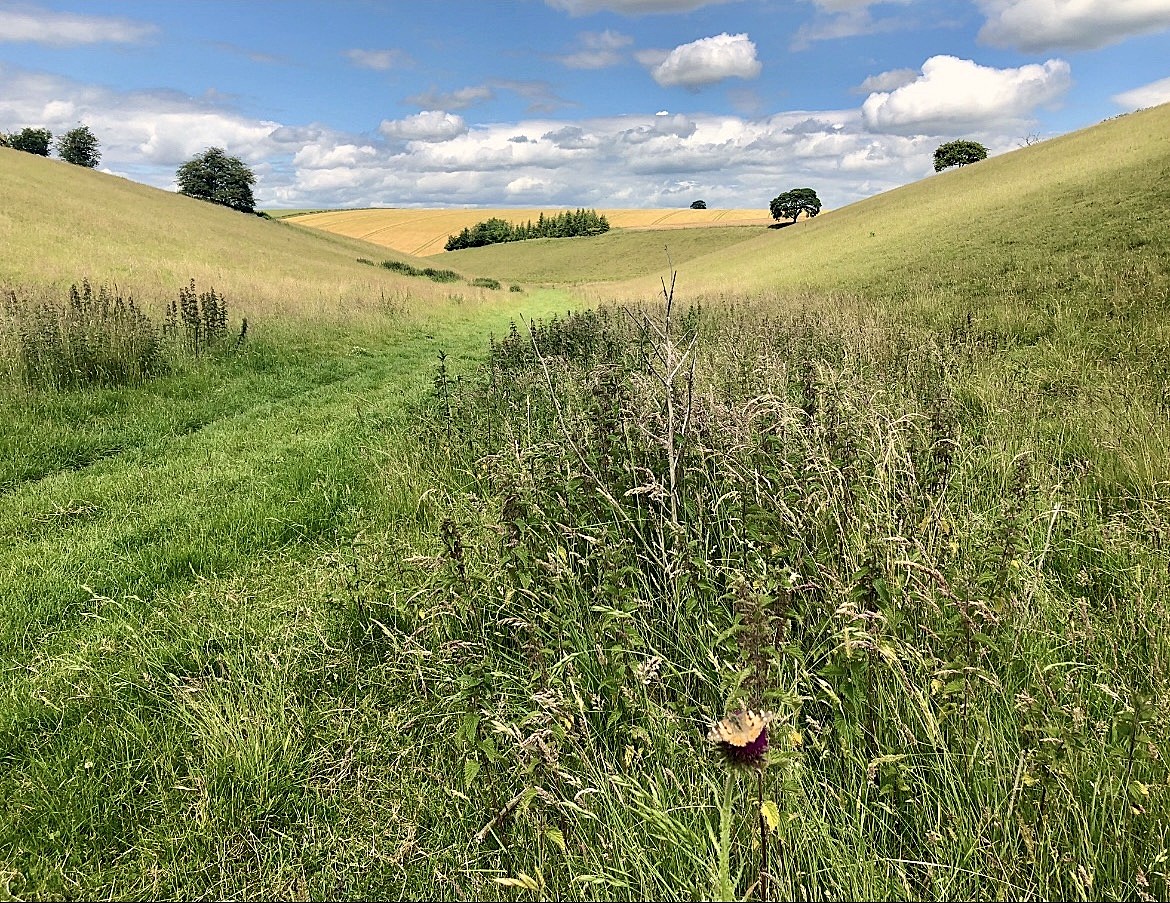
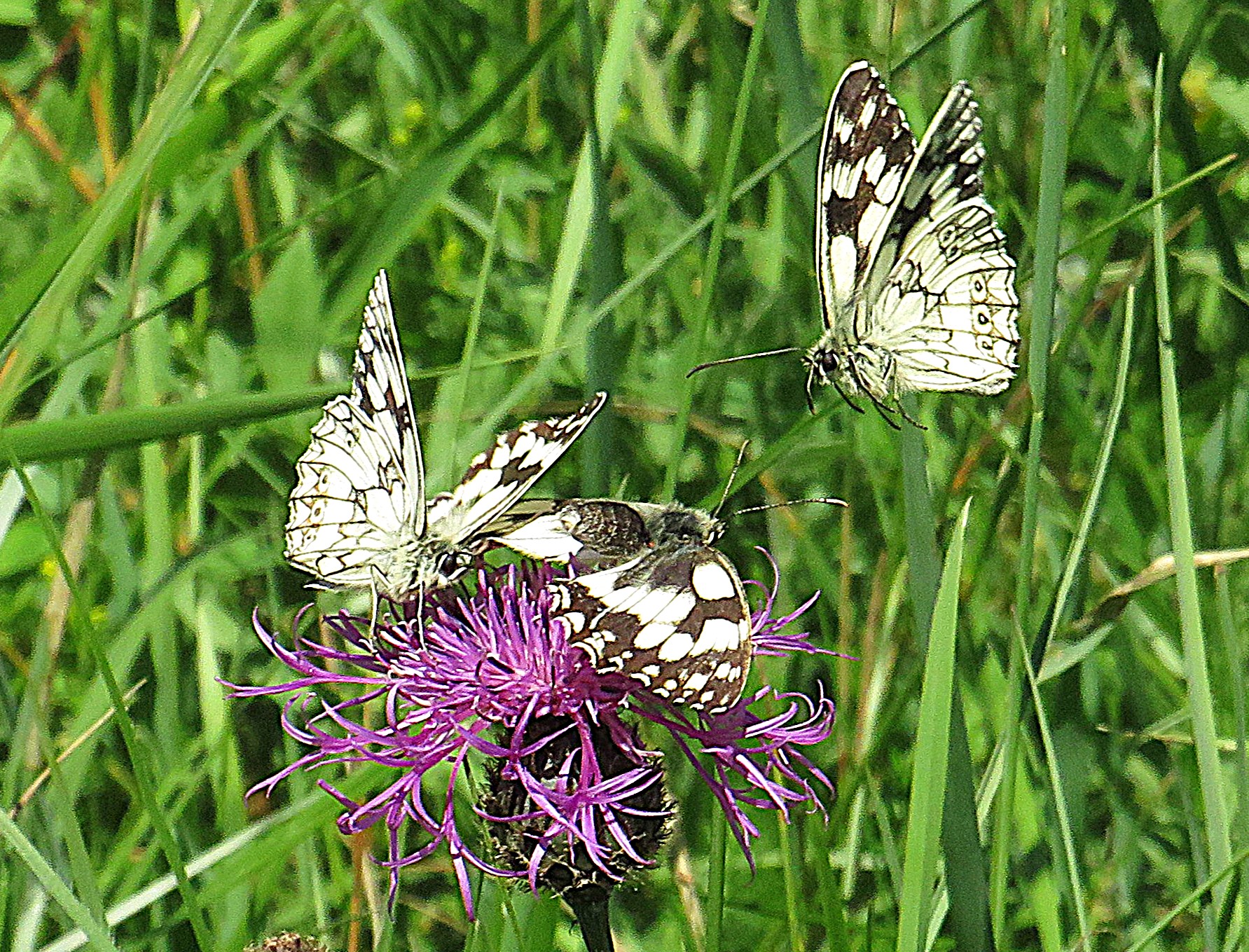
I started with a trail close to where I grew up - the Yorkshire Wolds Way. As with most of my walking in this phase, I did this on my own. The song of skylarks overhead was an antidote to feelings of overwhelm and helped me consider how I might do life better. The unexpected sight of a small crowd of marbled white butterflies, in a sheltered patch of scrubland near Filey, was a moment of beauty that seemed to summon me to a quieter life.
Before long, I discovered the existence of a Master’s degree in Travel & Nature Writing. The course screamed for my attention. In the months before starting my studies, I finally got round to walking the Ridgeway and Thames Path National Trails, as part of my aspiration to share my passion for nature with others. One of the happy surprises of the two years of study was the finding of kindred spirits. I am an independent and solitary soul, but found the sharing of enthusiasms invigorating,
Finding solitude, nature and belonging
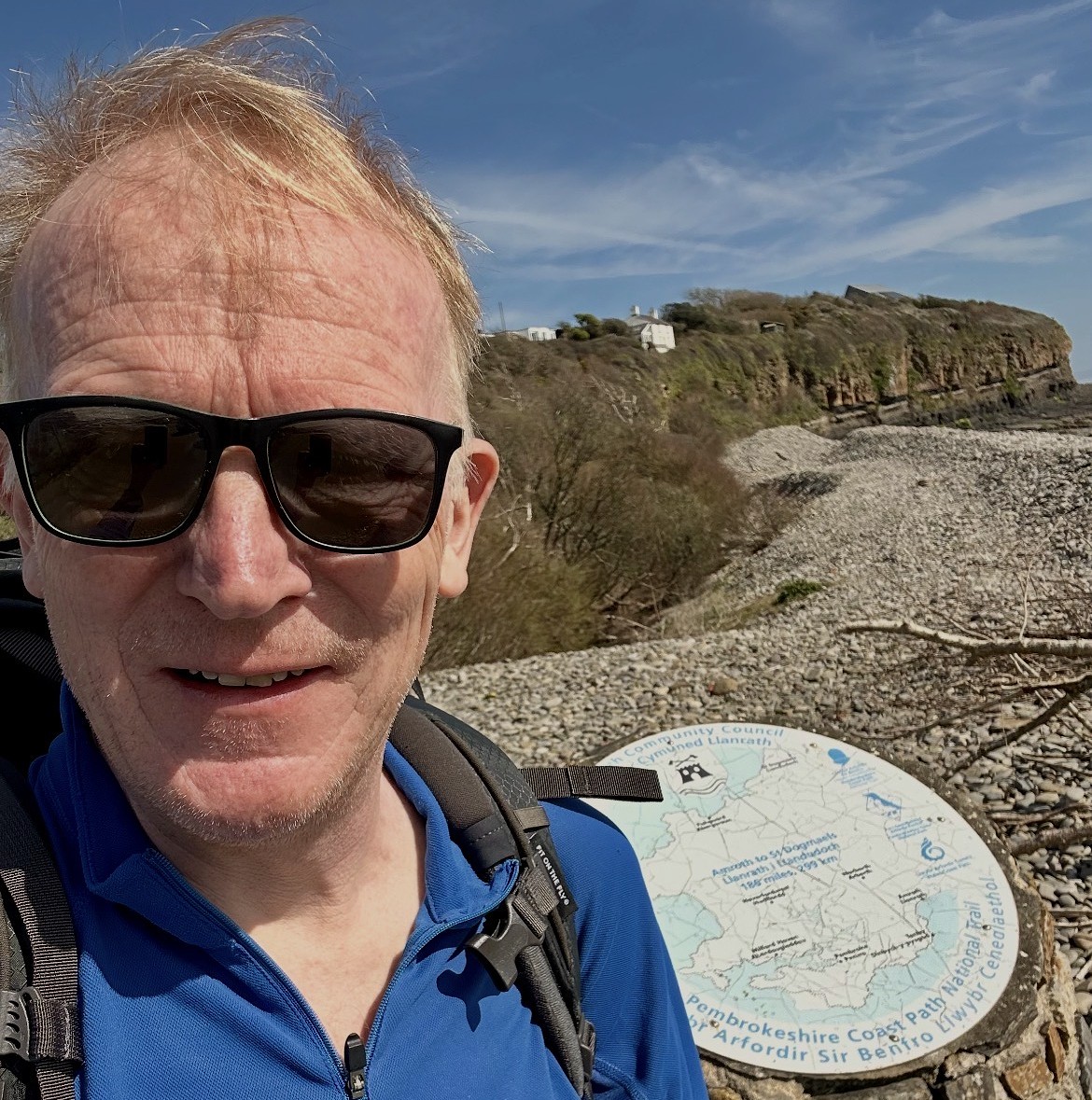
All the same, I still tended to walk without company during this phase, whether on Pembrokeshire’s beautiful Coast Path or on the closer to home Cotswold Way. I found time alone, when I had to be entirely self-sufficient, to be comforting, not to mention helpful as I tried to work out my true feelings about all manner of things. But that didn’t make me a total recluse. Most days, I didn’t avoid conversations with those I met along the way. Only occasionally did I detour behind rocks or a mound to avoid the possibility of interaction with fellow walkers.
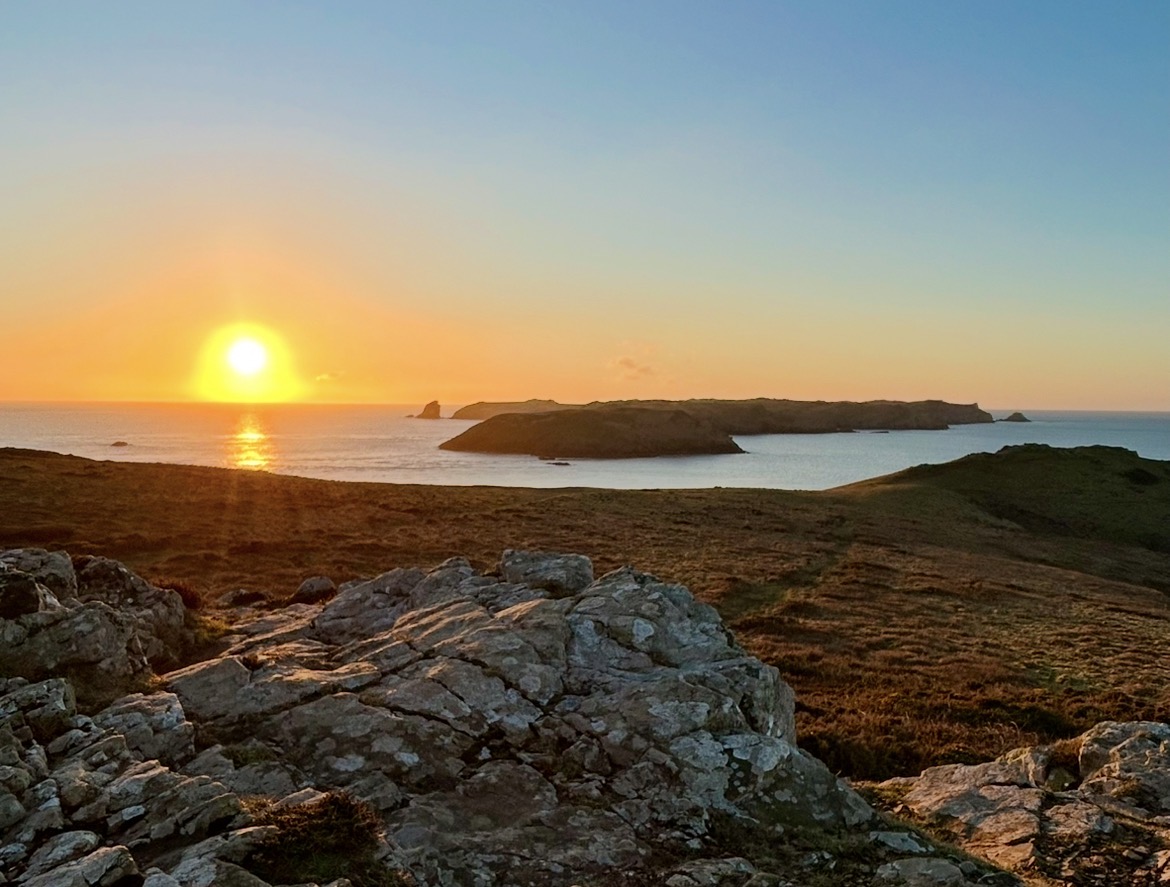
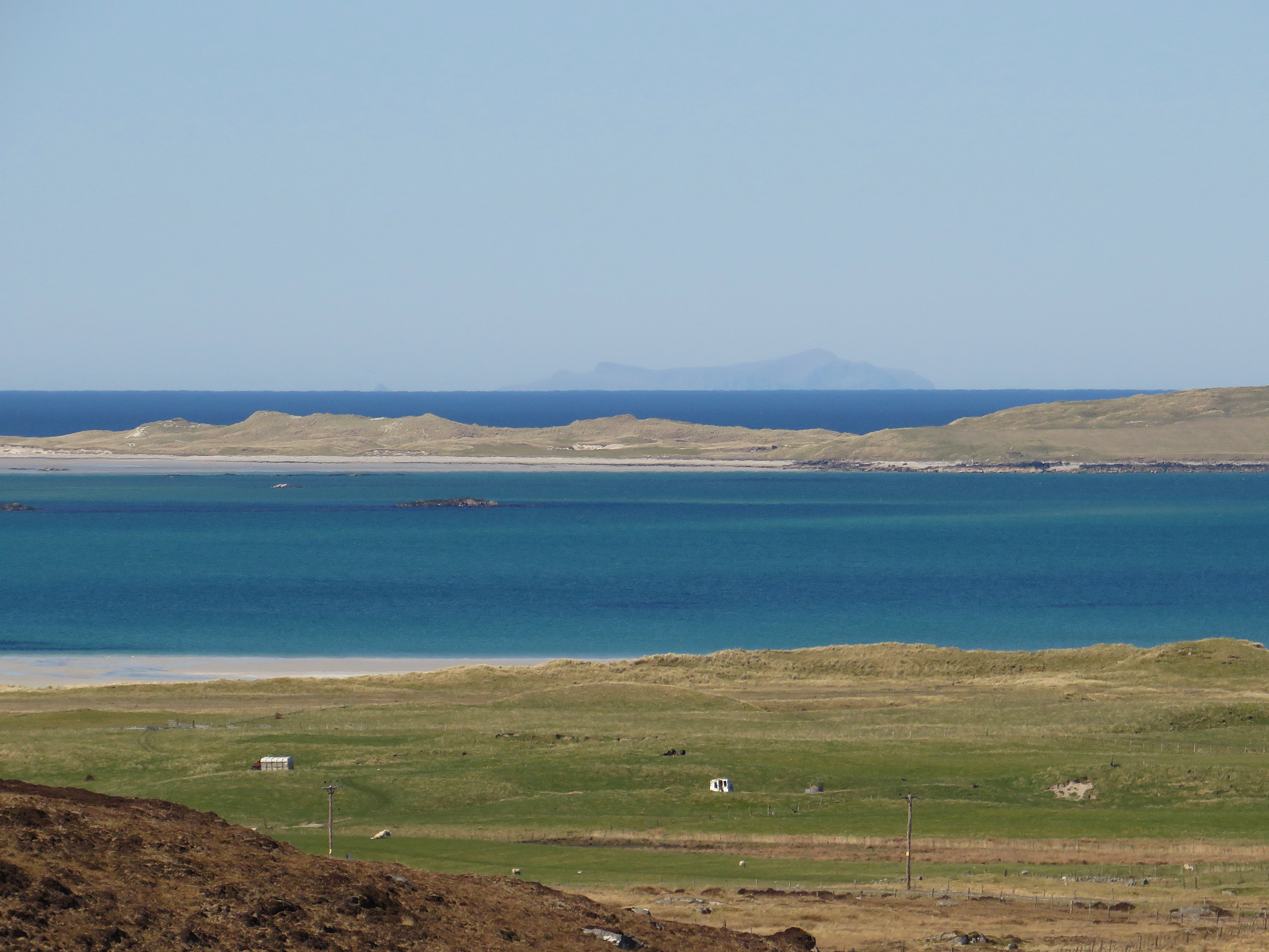
I know that some of my autistic behaviours have led others to think that there is a cold element to my personality. Sure, I am introspective and can get obsessed with what looks like a selfish activity. But anyone who knows how emotional I often become when walking along coast, ridge or woodland track would recognise someone with feelings that run very strong. My need for the good form of solitude that the trails offer is a true craving, the satisfying of which continues to give me an ease I don’t find in a busy world. For me, pausing to watch choughs on a Welsh headland, or looking out to distant St Kilda from a high point on the Hebridean Way, offers a settling effect like no other.
What walking with AuDHD really looks like
All of this sounds quite rosy, doesn’t it? I have my reasons for walking, and I have found my way to the joy of the National Trails. I have eight mugs for the ‘flagship’ routes I’ve completed, memories of a dozen others, and plans for more. I imagine I look the part to those I encounter - white, physically strong for a 64-year-old, carrying kit that suggests I am experienced and capable. But I am also good at masking.
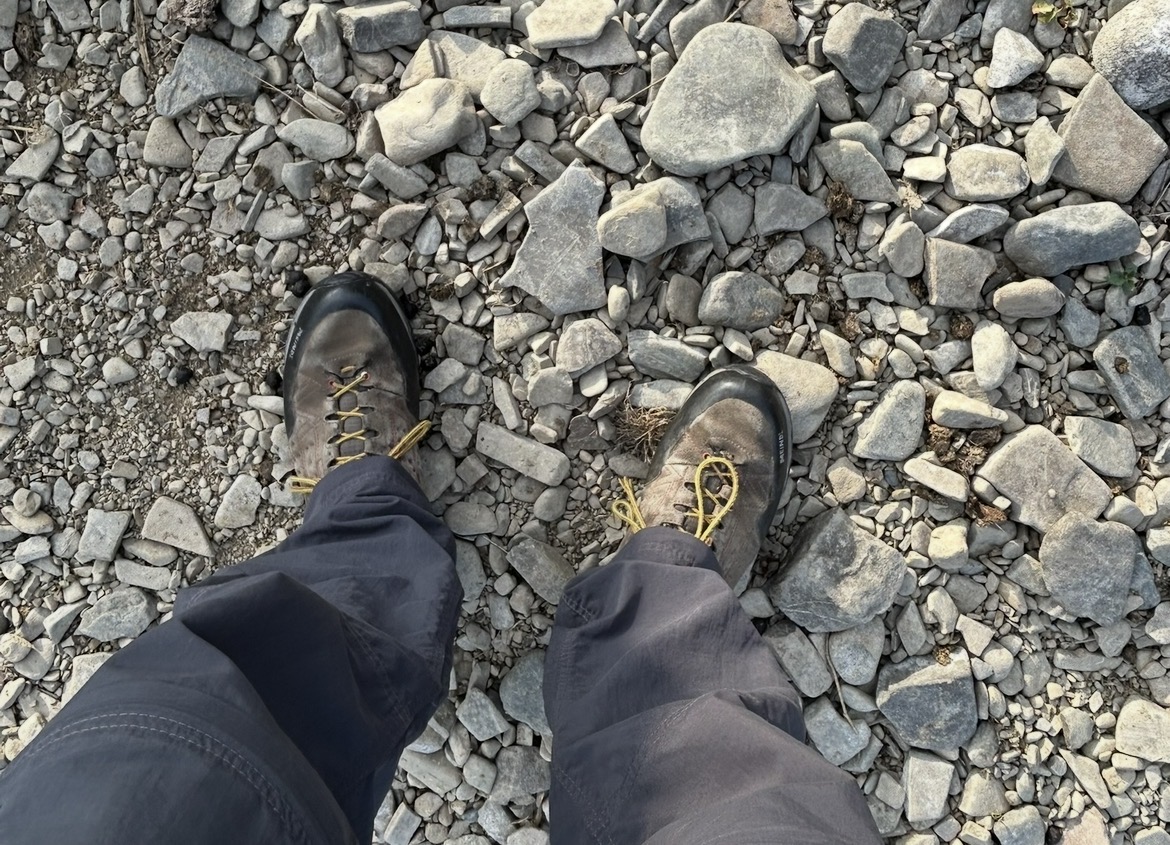
Few would guess that an agitated nervousness still overwhelms me on occasions, that I often forget to eat or drink, that I likely had a bit of a panic attack before setting off. Does anyone other than my partner spot that I am hung up on the checking of kit, or understand the need to keep a constant eye on my safety because of my ADHD tendency to be distracted by the slightest noise in a hedgerow, the tiniest flutter of wings? For all that I am now fully diagnosed and much more aware of behaviours which are an integral part of me - including those which bring great blessings - my walking days are rarely without glitches, as shown by that tumble into the River Unk.
We can talk about my struggles with gates another time.
Biography
When at home in Oxfordshire, Paul walks locally every day. This is the best way he knows to find calm. One of his many passions is to walk longer distances within the British Isles. As well as writing that emerges from observation of fauna and flora, people and places, he has a focus on memoir. After a long teaching career, he became an award-winning student during his MA in Travel and Nature Writing. Published work includes poems about butterflies, essays exploring threatened landscapes and a piece about football in the Outer Hebrides.
Instagram: aleator1962
More posts

VACANCY - Communications Officer (Coastal Wildbelt)
.jpg)
NTUK Summit 2026 - Innovation on the National Trails
_Abbie%20Merritt_lpr.jpg)
NTUK Procurement - Paths to Inclusion Evaluation Consultant
Signup to our newsletter